
By William Moore, Owner & Master Plumber — Instant Plumbing & Rooter | ROC #327376 | Serving the Phoenix Valley since 2001
Last Updated: March 2026
Yes — most Arizona homes need a mixing valve, and the reason matters more here than almost anywhere else in the country. Phoenix summer temperatures cause the water sitting in pipes and storage tanks to reach dangerously high temperatures before it even gets to your faucet or showerhead. A mixing valve blends that scalding hot water with cold water to deliver a safe, consistent temperature at the fixture. Without one, water heaters set to the recommended 120°F — or higher — can cause third-degree burns in as little as five seconds.
Here is everything a Phoenix homeowner needs to know about mixing valves: what they do, what type you need, what installation costs, and the signs yours is failing.
What Is a Mixing Valve and What Does It Do?
A mixing valve is a plumbing device installed at or near your water heater — or inside individual shower valves — that blends hot and cold water together to produce a controlled, safe output temperature. It works automatically, adjusting the blend in real time to compensate for pressure and temperature fluctuations in your home's water supply.
There are two main types used in residential plumbing, and understanding the difference matters when deciding what your home needs:
| Valve type | What it does |
|---|---|
| Thermostatic mixing valve (TMV) | Installed at the water heater. Controls the temperature of all hot water delivered throughout the home. Set to a safe output temperature (typically 110–120°F at the fixture). Best for homes with young children, elderly residents, or anyone at risk of scalding. Also allows the water heater tank to be stored hotter (140°F) to kill Legionella bacteria, while delivering safe temperatures at faucets. |
| Pressure-balancing valve | Installed inside individual shower valves. Reacts to sudden pressure drops (like a toilet flushing mid-shower) to prevent scalding spikes. Required by code in most new Arizona construction. Does not control the overall temperature of hot water — only balances pressure. Most Phoenix homes have these in every shower already. |
Why This Matters More in Phoenix Than Most Places
In summer, cold water supply lines in Phoenix can reach 90–100°F before entering your home. Combined with a water heater set to 120°F, the "cold" side of your mixing equation is no longer truly cold — which means water delivered at the fixture can run hotter than expected, even with the handle set to a comfortable position. This is the most common cause of unexpected scalding we see in Valley homes during June through September.
Phoenix homeowners face specific conditions that make mixing valves more important here than in cooler climates:
- Ground-level water lines heat up dramatically in Arizona summers. Incoming cold water can arrive at 85–100°F, which reduces the cooling effect of the cold supply side. A thermostatic mixing valve compensates for this automatically.
- Many older Valley homes — particularly those built before 2004 — have water heaters that may be set above 120°F by the original installer or homeowner. In summer, the combination of already-warm pipes and a high-set water heater is a real scalding risk for children and elderly residents.
- Homes with large soaking tubs need a thermostatic mixing valve to draw a full bath without exhausting the hot water supply for the rest of the house. The valve allows the heater to store more total hot water at a higher tank temperature, then blend it down to bath temperature at the faucet.
Does Your Phoenix Home Need a Mixing Valve?
Most homes already have pressure-balancing valves in their showers — these have been required by Arizona building code in new construction for over 20 years. What many homes are missing is a whole-home thermostatic mixing valve at the water heater. Here is how to tell if you need one:
| You likely need a thermostatic mixing valve if… | A pressure-balancing valve is sufficient if… |
|---|---|
| You have children under 5 or adults over 65 in the household. Your water heater is set above 120°F (we recommend 140°F for tank storage to prevent Legionella, with a TMV to blend it down). You have a large soaking tub and frequently run out of hot water filling it. You've noticed water temperature varies significantly between summer and winter at your fixtures. | You only need protection from sudden pressure spikes during a shower (toilet flush causing a temperature jump). Your home is newer construction (post-2004) — these are already installed. You don't have high-risk household members and your water heater temperature is at or below 120°F. |
Mixing Valve Installation Cost in Phoenix (2025)
Here is what to expect for mixing valve installation by a licensed plumber in the Phoenix Valley:
| Service | Cost & Details |
|---|---|
| Whole-home thermostatic mixing valve | $900–$1,400 installed. Includes the valve (typically a Watts or Honeywell unit) and labor. Most installs take 1–2 hours. Cost varies based on water heater location and accessibility. |
| Pressure-balancing shower valve replacement | $1,000–$2,500 installed. Includes a new cartridge or full valve body replacement if the existing valve is worn or failing. Common brands: Delta Monitor, Moen Posi-Temp, Kohler Rite-Temp. |
| Thermostatic shower valve (luxury upgrade) | $2,000–$3,500+ installed. Allows precise shower temperature control with separate volume and temperature handles. Popular in master bathroom remodels across Scottsdale and Paradise Valley. |
| Annual mixing valve service / inspection | $259–$475. As part of an annual water heater maintenance visit, we test the mixing valve output temperature and adjust calibration as needed. Recommended every year. |
Signs Your Mixing Valve Is Failing
Mixing valves wear out over time — typically 8–15 years depending on water quality and usage. In Arizona's hard water environment, mineral buildup can shorten that lifespan. Here are the warning signs:
- Water temperature fluctuates unpredictably at fixtures — hotter or colder than normal without any change in the handle position
- Maximum hot water temperature at fixtures has increased — water is noticeably hotter than it used to be at the same setting
- You've lost hot water capacity — showers run cold sooner than they used to, especially when filling a large tub
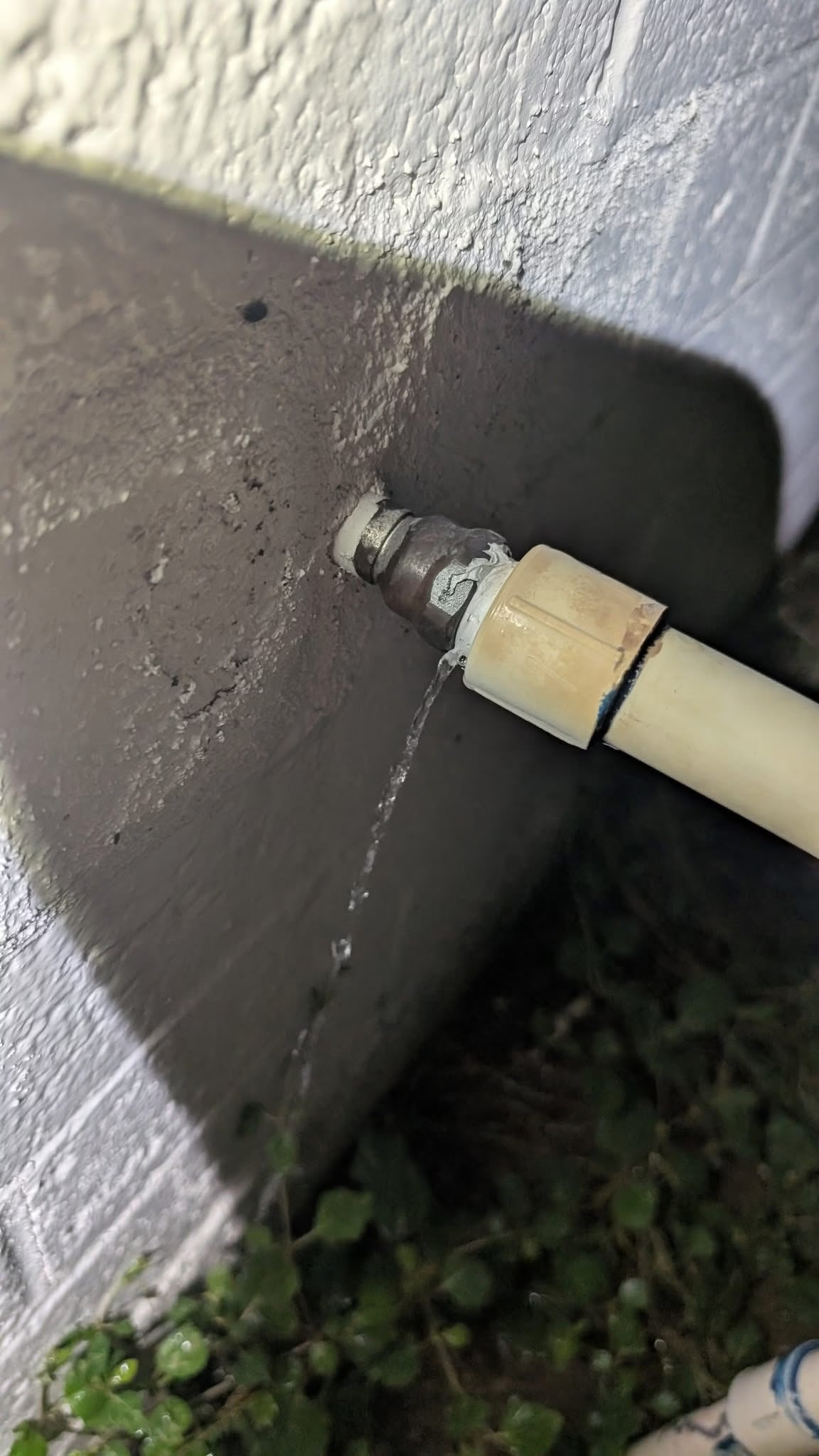
- The mixing valve body is leaking, corroded, or showing mineral buildup on the exterior
- Water pressure at hot fixtures has dropped noticeably — a partially failed TMV can restrict flow
When to Call a Plumber About Your Mixing Valve
These are not DIY situations — mixing valve calibration and replacement requires shutting off the water supply, draining the water heater, and testing output temperature with a calibrated gauge before restoring service.
- Water at your showerhead or faucets is hot enough to be uncomfortable even at mid-range handle positions
- A child or elderly family member has been scalded by tap water in your home
- Your water heater was recently replaced and the installer did not check or set the mixing valve output temperature
- Your home's hot water smells musty or has an unusual odor — this can indicate Legionella growth in a tank set too low without a TMV to allow high-temp storage
- You've had a mixing valve for more than 10 years and haven't had it inspected
- You're installing a new large soaking tub and want to fill it without affecting the rest of the home's hot water
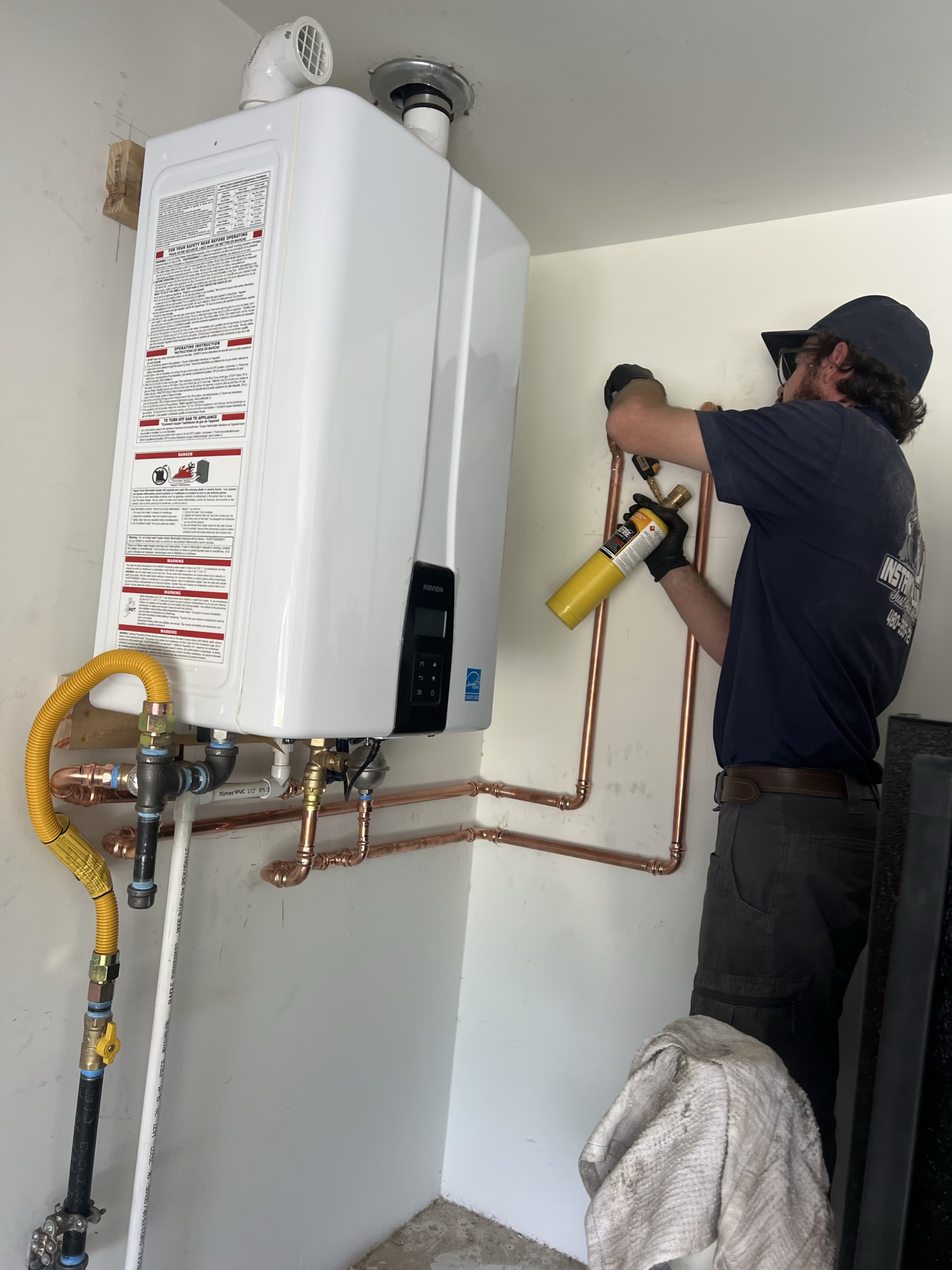
How a Thermostatic Mixing Valve Is Installed
For homeowners who want to understand the process — here is how we install a whole-home TMV at the water heater:
- Step 1: Shut off the cold water supply to the water heater and attach the TMV to the hot water outlet port of the tank
- Step 2: Connect the cold water line to the mixing valve's cold inlet so it can blend both supplies
- Step 3: Run the mixed output line to the home's hot water distribution system
- Step 4: Set the water heater thermostat to 140°F (allows high-temp storage for bacterial prevention)
- Step 5: Calibrate the TMV output to 110–120°F using a thermometer at the fixture — adjust the valve's set screw until the correct temperature is confirmed
- Step 6: Test at multiple fixtures throughout the home and verify consistent output temperature
The entire process typically takes 1.5–2 hours for a licensed plumber. It is not a DIY project — incorrect calibration can result in either scalding temperatures or water cool enough to allow bacterial growth in the tank.
Frequently Asked Questions
Q: Is a mixing valve the same as a pressure-balancing valve?
No — they are different devices that solve different problems. A pressure-balancing valve (the type inside most shower valves) prevents scalding caused by sudden pressure changes, like when a toilet flushes mid-shower. A thermostatic mixing valve controls the actual temperature of hot water throughout the whole home. Most Phoenix homes need both: pressure-balancing valves in each shower, and a thermostatic mixing valve at the water heater if you have young children, elderly residents, or a large soaking tub.
Q: What temperature should a mixing valve be set to in Arizona?
We recommend setting the whole-home thermostatic mixing valve output to 110–115°F for homes with children or elderly residents, and up to 120°F for standard households. The water heater tank itself should be set to 140°F to prevent Legionella bacteria growth — the TMV blends it down to a safe delivery temperature at the fixtures. In Arizona's summer conditions, having a plumber verify and re-calibrate the valve annually is a good practice because incoming cold water temperatures change significantly between seasons.
Q: How much does a mixing valve installation cost in Phoenix?
A whole-home thermostatic mixing valve installed by a licensed Phoenix plumber typically costs $900–$1,400, including parts and labor. The job takes 1–2 hours. Individual pressure-balancing shower valve replacements run $1,000–$2,500. Thermostatic shower valve upgrades for master bathroom remodels run $2,000–$3,500+ installed. Annual mixing valve inspection and calibration as part of a water heater maintenance visit is typically $259–$475.
Q: What does a mixing valve do for a soaking tub?
For large soaking tubs (typically 60+ gallons), a thermostatic mixing valve allows you to store more total hot water in the tank at a higher temperature (140°F), then blend it down to bath temperature (around 105°F) as it fills the tub. Without a TMV, filling a large soaking tub at 120°F tank temperature can exhaust the available hot water and leave the rest of the house without hot water for 45–60 minutes while the tank recovers.
Q: Can I install a mixing valve myself?
We recommend against it. Proper installation requires connecting directly to the water heater's hot outlet and cold supply lines, setting the water heater to 140°F, and calibrating the output temperature precisely with a thermometer at multiple fixtures. Under-calibration can result in water cool enough to allow bacterial growth in the tank. Over-calibration defeats the purpose and leaves scalding risk. A licensed plumber can complete the installation and calibration correctly in about 90 minutes.
Q: How often should a mixing valve be serviced?
We recommend having your mixing valve inspected and calibrated annually, ideally as part of your annual water heater maintenance visit. In Arizona's hard water conditions, mineral deposits can gradually affect the valve's calibration accuracy and flow rate. A valve that tested correctly at installation may deliver slightly higher temperatures after 2–3 years of hard water exposure without service.
Q: Does a mixing valve affect water pressure?
A properly functioning and correctly sized mixing valve should have negligible effect on water pressure. However, a failing or partially clogged mixing valve — particularly in hard water areas like Phoenix — can restrict hot water flow noticeably. If you've noticed reduced hot water pressure at your fixtures, especially compared to cold water pressure, the mixing valve may need service or replacement.
Q: Is a mixing valve required by Arizona building code?
Pressure-balancing valves in showers have been required by Arizona building code for new construction for over two decades — most Valley homes already have these. Whole-home thermostatic mixing valves are not universally code-required in all Arizona municipalities, but they are required or strongly recommended in specific situations: homes with elderly residents in assisted living or care settings, commercial applications, and when a water heater is set above 120°F. We recommend them for most homes regardless of code status, particularly those with children under 5.
Ready to Have a Mixing Valve Installed or Inspected?
Our team installs and services mixing valves across the Phoenix Valley every day. Whether you need a whole-home thermostatic valve at your water heater, a pressure-balancing valve replacement in a shower, or just want to know if your existing valve is calibrated correctly — we can help.
Call us at (480) 353-7267 or book online.
We serve Glendale, Phoenix, Scottsdale, Chandler, Mesa, Tempe, Gilbert, Peoria, and surrounding Valley communities. Licensed, insured, and serving Arizona since 2001. ROC #327376.