
That jarring moment when your relaxing hot shower turns frigid is a feeling no one wants. It’s a common frustration for homeowners, along with the dread of high energy bills and the bulky water heater tank hogging space in your garage. These daily inconveniences are often the result of an aging or traditional water heating system that just can’t keep up with modern demands.
What if there was a better way? A solution that not only provides a continuous supply of hot water but also cuts down on your utility bills and frees up valuable space? Enter the tankless water heater, a modern marvel that’s quickly becoming the go-to upgrade for smart Glendale homeowners.
At Instant Plumbing, we’ve been helping families across Glendale, Peoria, and Surprise enjoy reliable plumbing for over two decades. We understand the unique demands our climate and hard water place on your home’s systems. That’s why we’re excited to show you why so many of your neighbors are making the switch to tankless.
Quick Answer:
Tankless water heaters deliver endless hot water, lower utility bills, and last 20+ years—perfect for Glendale’s growing demand for energy-efficient homes. They heat water on demand, eliminating the need for a bulky storage tank and providing superior efficiency and convenience.
What Is a Tankless Water Heater—and How Does It Work?
Unlike a traditional water heater that stores and constantly heats a large tank of water (imagine a giant thermos in your garage), a tankless water heater—also known as an “on-demand” water heater—only heats water when you need it.
Here’s the simple breakdown:
- Cold Water In: When you turn on a hot water faucet, cold water travels through your pipes to the tankless unit.
- Flow Sensor Activation: A flow sensor detects the demand for hot water and activates the heating elements.
- Heat Exchanger: Inside the tankless unit, a powerful heat exchanger (either gas-fired or electric) rapidly heats the water as it flows through.
- Hot Water Out: The heated water is then sent directly to your faucet, shower, or appliance, providing hot water on demand.
Since it’s not constantly heating a tank of water, a tankless unit only consumes energy when you actually use hot water. This fundamental difference is what makes it so efficient and convenient.
What Are the Benefits of Going Tankless in Glendale?
Upgrading to a tankless water heater offers a multitude of advantages, especially for homeowners in the Glendale area.
Endless Hot Water
This is perhaps the most appealing benefit for busy households. With a tankless system, you literally cannot run out of hot water. Whether you have a large family, enjoy back-to-back showers, or run the dishwasher and laundry simultaneously, a tankless unit will continuously heat water as long as it’s needed, at a consistent temperature. No more cold surprises!
Energy Efficiency & Lower Utility Bills
Traditional tank water heaters are constantly working to keep a large tank of water hot, even when no one is home. This “standby heat loss” wastes a significant amount of energy. Tankless units, however, only heat water on demand, making them incredibly energy-efficient. According to Energy.gov, tankless water heaters can be 24%–34% more energy efficient than conventional storage tank water heaters for homes that use 41 gallons or less of hot water daily. For large families using a lot of hot water, the savings can be even more substantial, often up to 50%! In Glendale, where cooling costs are a major concern, any way to lower your energy consumption is a win.
Space Saving
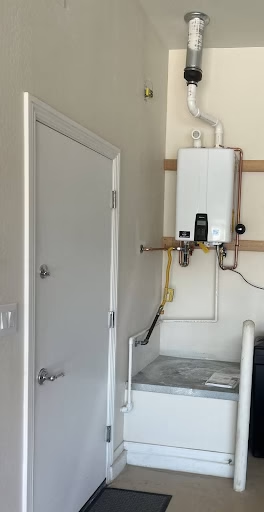
Traditional water heaters are bulky appliances that can take up valuable space in a closet, garage, or utility room. Tankless units are significantly smaller—about the size of a small suitcase—and can be mounted on a wall. This frees up floor space, which is a major bonus for smaller homes, condos, or those looking to maximize storage.
Longer Lifespan
While the upfront cost might be higher, tankless water heaters typically last much longer than their tank-style counterparts. A traditional tank heater usually needs replacement every 10-12 years, whereas a well-maintained tankless unit can easily last 20 years or more. This means fewer replacements over your homeownership journey and greater long-term value.
Local Tip: Combatting Arizona’s Hard Water
Here in Glendale, we deal with notoriously hard water, which is rich in minerals like calcium and magnesium. These minerals can build up inside traditional water heater tanks, reducing efficiency and shortening their lifespan. While tankless units aren’t immune to hard water, their design makes descaling and maintenance (which we’ll cover later) more effective, helping to mitigate the effects of mineral buildup and protect your investment for longer. Many older homes in the 90s and earlier in Glendale also still have their original water heaters, making an upgrade a smart move for efficiency and reliability.

Do Tankless Water Heaters Help the Environment?
Yes, they absolutely do! The energy efficiency benefits of tankless water heaters directly translate to a positive environmental impact. By heating water only when needed, they consume less natural gas or electricity overall, leading to:
- Reduced Carbon Footprint: Less energy consumption means fewer greenhouse gas emissions, contributing to a healthier planet.
- Less Waste: Their longer lifespan means fewer units end up in landfills, reducing waste and the resources needed for manufacturing replacements.
Furthermore, some tankless water heaters may qualify for tax incentives or rebates at federal, state, or even local levels, making the eco-friendly choice also a financially smart one. On top of all this, an energy-efficient home with modern appliances like a tankless water heater can increase your home’s resale value, appealing to eco-conscious buyers.
Are Tankless Water Heaters Worth the Cost?
It’s true that the initial installation cost for a tankless water heater can be higher than a traditional tank unit. This is often due to the need for specific venting, gas line upgrades, or electrical adjustments to accommodate the new system. However, when you look at the bigger picture, the long-term savings often make the investment well worth it.
Let’s break down the long-term savings:
- Lower Operating Costs: As discussed, tankless units use significantly less energy, translating to lower monthly utility bills that add up over time.
- Longer Lifespan: With a lifespan that’s often double that of a conventional tank, you’ll defer replacement costs for many more years.
- Fewer Repairs: While maintenance is still important, tankless units tend to have fewer catastrophic failures like tank ruptures.
Here’s a simplified comparison over 10 years (note: actual costs can vary greatly based on usage, energy prices, and unit models):
Feature | Traditional Tank Water Heater (Avg. over 10 years) | Tankless Water Heater (Avg. over 10 years) |
Initial Cost | $1,000 – $3,000 | $4,000 – $7,000 |
Energy Costs | $400 – $600 per year (x 10 years = $4,000 – $6,000) | $200 – $400 per year (x 10 years = $2,000 – $4,000) |
Lifespan | <10 years (often needs replacement) | 20+ years (still running strong) |
Total Est. Cost | $5,000 – $9,000 (plus potential replacement) | $6,000 – $11,000 (often no replacement needed) |
While the initial outlay for tankless may be higher, the cumulative energy savings and extended lifespan often result in a lower total cost of ownership over 10-20 years.
What’s Involved in Installing a Tankless Water Heater?
Upgrading to a tankless water heater is a significant home improvement that requires professional expertise. Our team at Instant Plumbing ensures a smooth and safe installation process.
Here’s a general overview of the steps involved:
- Site Assessment: A professional plumber will evaluate your home’s existing plumbing, gas lines (if applicable), electrical capacity, and venting options to determine the best location and type of tankless unit.
- Sizing Your Unit: Correct sizing is crucial. We’ll help you choose a unit with the appropriate flow rate (GPM – gallons per minute) to meet your household’s peak hot water demands.
- Removal of Old Unit: Your old tank water heater will be carefully drained and removed.
- Gas/Electric Adjustments: This may involve upgrading gas lines for gas tankless units or electrical circuits for electric models to ensure proper power supply.
- Venting & Mounting: Tankless units require specific venting, which will be professionally installed. The compact unit is then securely mounted to a wall.
- Water Line Connections: New hot and cold water lines are connected to the tankless unit.
- Final Testing: The system is thoroughly tested for leaks, proper operation, and correct temperature output.
Our team at Instant Plumbing has handled hundreds of tankless installs across Glendale, Peoria, and Surprise. We’re highly familiar with local codes and requirements, ensuring your installation is done right and safely.
How to Maintain Your New Tankless System
Even though tankless water heaters are known for their longevity, they still require occasional maintenance to ensure optimal performance and efficiency, especially in hard water areas like Glendale.
- Descaling/Annual Flush: This is the most critical maintenance task. Minerals from hard water can build up in the heat exchanger, just as they would in a coffee maker. A professional descaling involves circulating a cleaning solution (often vinegar) through the unit to dissolve these mineral deposits. We recommend an annual flush to prevent buildup and maintain efficiency.
- Inlet Water Filter Screen Cleaning: Many tankless units have an inlet screen that catches sediment before it enters the unit. This screen should be checked and cleaned periodically to ensure proper water flow.
- Professional Check-Ups: Scheduling an annual professional inspection allows a plumber to check for any potential issues, clean components, and ensure your system is running safely and efficiently. This proactive step can prevent costly repairs down the line.
Tankless Water Heater Frequently Asked Questions
Q: How long do tankless water heaters last?
A: With proper professional maintenance, especially regular descaling in hard water areas like Glendale, tankless water heaters can last 20 years or even longer. This is significantly longer than the typical 10-12 year lifespan of a traditional tank water heater.
Q: Do they work with solar?
A: Yes, tankless water heaters can integrate well with solar water heating systems. In such setups, the solar system preheats the water, and the tankless unit acts as a booster, providing additional heat only if the solar-heated water isn’t hot enough. This combination maximizes energy efficiency.
Q: Will I run out of hot water with a tankless system?
A: No, the primary benefit of a tankless water heater is that it provides an endless supply of hot water. As long as there is a demand for hot water, the unit will continue to heat it on demand, unlike a traditional tank which can be depleted.
Q: Do I need gas or electric?
A: Tankless water heaters come in both natural gas/propane and electric models. The best choice for your home depends on several factors, including your current utility connections, the available gas line size or electrical capacity, and your household’s hot water demand. Gas models generally offer higher flow rates and can be more cost-effective to operate in many areas. Our technicians can help you determine the most suitable option during an assessment.
Q: Is tankless water heater maintenance difficult in Glendale with hard water?
A: While hard water does necessitate regular maintenance, especially an annual descaling flush, it’s generally straightforward for a professional plumber. We have the specialized equipment and solutions to effectively remove mineral buildup from your tankless unit, ensuring its longevity and efficiency even with Glendale’s hard water.
Ready for a Tankless Water Heater in Glendale?
Don’t let an outdated water heater dictate your comfort or inflate your energy bills any longer. Upgrading to a tankless water heater is an investment in your home’s efficiency, comfort, and long-term value. With endless hot water, significant energy savings, and a longer lifespan, it’s a smart choice for any Glendale homeowner.
Call Instant Plumbing today about upgrading to tankless. Our local experts are ready to provide a free consultation and quote, helping you choose and install the perfect tankless water heater for your home.