
That slow drip-drip-drip under your sink or the mysterious damp spot on your ceiling is more than just a nuisance—it’s a warning. A leaking pipe, no matter how small, can cause major headaches and expensive damage if left unaddressed. We get it; the first reaction is often a mix of frustration and panic. You want to stop the leak now and figure out the long-term solution later.
The good news is that for many small leaks, you can take immediate action to stop the water and prevent further damage. At Instant Plumbing, we believe that empowering our customers with knowledge is just as important as fixing their problems. We’ve seen it all, from tiny pinhole leaks in a laundry room to hidden cracks under a concrete slab. Since 2001, we’ve been helping homeowners across the Valley with their plumbing needs, and we’ve learned that a little bit of know-how can make a big difference when a leak strikes.
Let’s walk through what to do when you find a leak, the temporary fixes you can try in a pinch, and most importantly, when it’s time to call in a professional for a permanent solution. We’ll also explain why some of these issues are so common here in the Valley and how you can protect your home from future leaks.
Quick Answer
When you discover a leaking pipe, your immediate priority is to stop the flow of water and prevent damage. This involves quickly turning off the main water supply to your home (or to the fixture). Once the water is off, you can apply a temporary DIY patch for a minor leak. However, keep in mind that these are only short-term solutions. For a true, permanent fix, a professional plumber should inspect the issue and perform a proper repair or replacement.
✅ What To Do When You Spot a Leak
- ✔ Shut off your home’s main water supply immediately to stop damage
- ✔ Dry the pipe and apply a temporary patch (epoxy, tape or clamp)
- ✔ Call a professional plumber for a permanent fix
- ✔ Schedule regular inspections to prevent future leaks
Why Phoenix Pipes Leak—And What Makes It Unique
Plumbing systems in Phoenix homes face unique stresses that can make them more prone to leaks than in other parts of the country. Understanding these local factors is the first step in knowing how to protect your home.
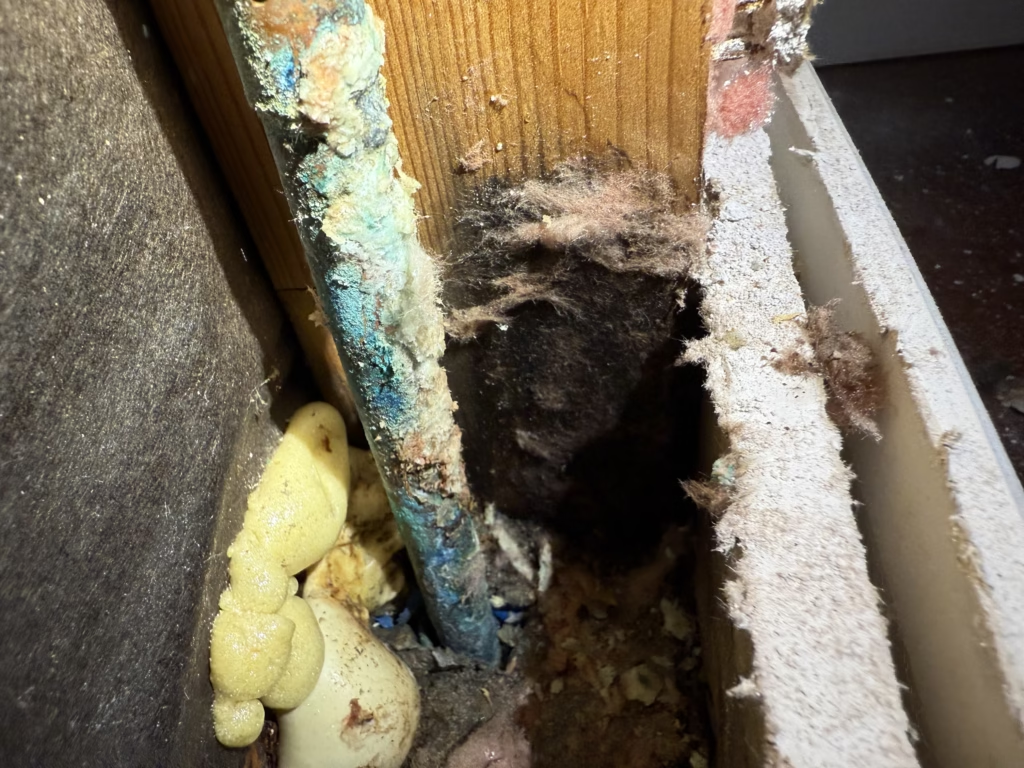
The most significant culprit is our hard water. As we’ve mentioned before, the water in the Phoenix Valley has a very high mineral content. Over time, these minerals can build up inside your pipes, a process known as scaling. This buildup not only restricts water flow but also creates a rough, abrasive surface that can accelerate internal corrosion. For older copper or galvanized steel pipes, this internal damage can lead to tiny, almost invisible pinhole leaks that are often only noticed when water begins to seep through a wall or ceiling.
Next, there’s the extreme heat. The constant, intense heat of a Phoenix summer can cause your home’s pipes to expand and contract. This frequent thermal movement puts stress on pipe joints and connections, especially in attics or other uninsulated areas. Over many years, this can loosen fittings and cause tiny hairline cracks to form, leading to slow, persistent drips.
Finally, the soil conditions in our area can also play a role. The ground in the Valley is known to shift slightly due to our dry climate and occasional heavy rainfall. This ground movement can put pressure on underground pipes, especially those under a home’s foundation. While a modern plumbing system is designed to withstand some movement, these shifts can still cause a pipe to crack, resulting in a challenging and destructive slab leak. Older homes, with plumbing that is nearing the end of its lifespan, are particularly susceptible to these issues.
Quick DIY Fixes You Can Try (Temporary)
If you find a leaking pipe, the first thing you must do is stop the water flow. This is the single most important step to prevent major water damage.
Step 1: Shut Off the Water. Find your home’s main water shut-off valve. This is usually located on an exterior wall, near your water meter, or in a basement or garage. Turn the valve clockwise to stop the water flow. Once it’s off, open a faucet to drain any remaining water from the pipes.
Step 2: Prepare the Area. Dry the leaking pipe completely with a rag or towel. If the area is wet, your temporary fix won’t hold.
Step 3: Apply a Temporary Patch. For a small leak, you can use one of these common DIY solutions:
- Epoxy Putty: This is a two-part material that you mix by hand. It forms a hard seal that can temporarily plug a small crack or hole. Simply cut off a piece, knead it until it’s a uniform color, and mold it over the leak.
- Self-Fusing Silicone Tape: This is a non-adhesive tape that bonds to itself when stretched and wrapped tightly. It creates a watertight seal. Wrap the tape around the leak, overlapping each layer, to form a strong temporary barrier.
- Pipe Clamp and Rubber: For a slightly larger hole or crack, you can use a piece of rubber (from an old bicycle inner tube, for example) wrapped around the leak, then secured tightly with a C-clamp or hose clamp.
These DIY fixes are great for getting you through the night, but remember: they are not permanent solutions. They are meant to buy you time to find a professional plumber for a real repair.
Permanent Leak Repairs
Once you’ve stopped the immediate emergency, it’s time to think about a long-term fix. The approach depends on the severity and location of the leak.
Replacing the Damaged Section (For Accessible Leaks)
If the leaking pipe is easily accessible and the damage is confined to a small area, a new section can be installed. This is the most common permanent repair for leaks under a sink or in an exposed wall.
This process involves cutting out the compromised section of pipe, preparing the ends by cleaning and deburring them, and then using the appropriate fittings to join a new piece of pipe. While a handy homeowner might be able to manage this, it requires the right tools and a solid understanding of plumbing to ensure a leak-free connection.
Professional-Grade Plumbing Solutions for Extensive Damage
Sometimes, the leak is just the tip of the iceberg. If a pipe is old, corroded or located in a hard-to-reach area, a simple patch or section replacement won’t be enough. This is where hiring a plumber with the right tools and techniques comes in.
- Whole-House Repiping: If you have multiple pinhole leaks or your pipes are over 50 years old and showing signs of widespread corrosion, a full repipe may be the best long-term solution. While it sounds intimidating, it gives you a brand-new plumbing system that is built to last for decades, providing peace of mind and preventing future headaches.
- Trenchless Solutions: If a sewer line under your yard is leaking, trenchless repair methods can fix the issue without having to dig up your landscaping. These advanced techniques involve lining the existing pipe with a new material or using a bursting method to replace it. Instant Plumbing does not offer this service, at this time.
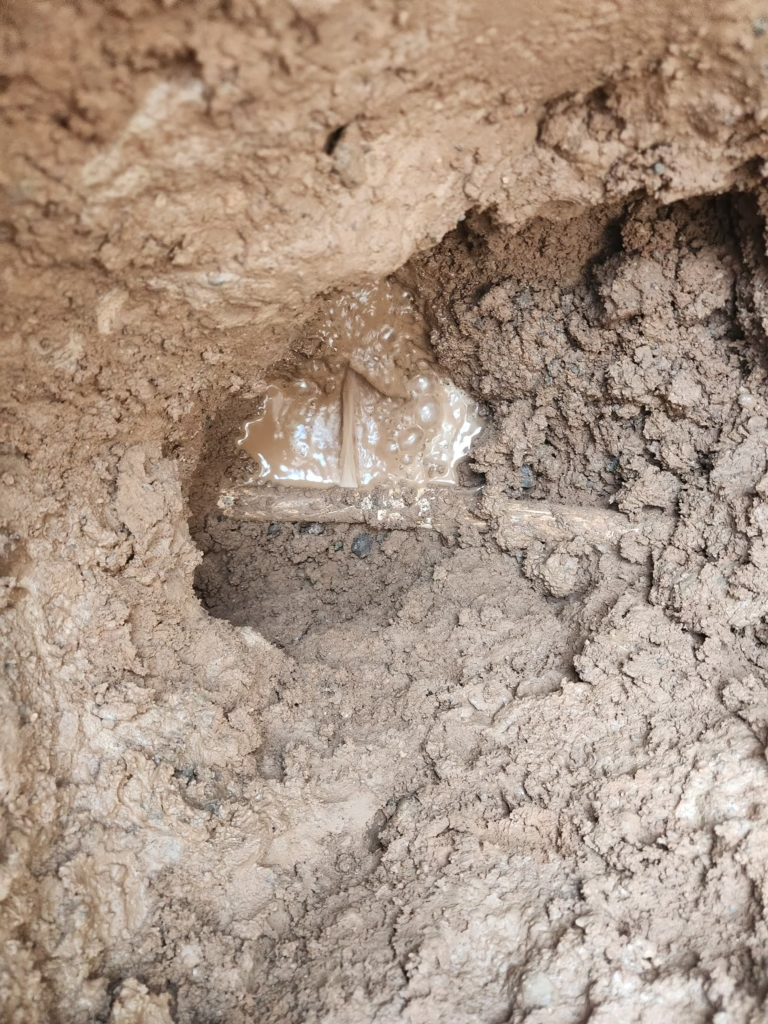
- Slab Leak Repair: When a pipe leaks under your home’s concrete foundation, it’s called a slab leak. This is a complex problem that requires professional equipment for detection and repair. Plumbers can reroute piping or repair the pipe under your home’s foundation, which would involve breaking through the slab.
Preventing Future Leaks—Smart Moves for Phoenix Homes
The best way to deal with a leak is to prevent it from happening in the first place. Given the unique conditions in Phoenix, a proactive approach to plumbing maintenance is essential.
- Schedule Regular Inspections: We recommend an annual plumbing inspection to catch hidden leaks, corrosion or mineral buildup before they cause damage. A professional plumber will check your water pressure, inspect exposed pipes and look/listen for signs of trouble.
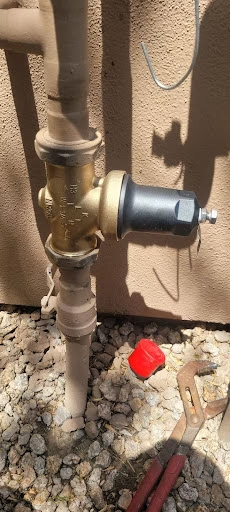
- Monitor Water Pressure: High water pressure puts significant stress on your pipes and fixtures, leading to premature wear and tear. A plumber can check your home’s water pressure and install a pressure-reducing valve (PRV) if needed to keep it within a safe range (usually between 40-60 PSI).
- Consider a Water Softener: Since hard water is a major contributor to pipe degradation, a water softener can be a worthwhile investment. It removes minerals from your water, helping to prevent the scale buildup that weakens pipes and reduces the efficiency of your water heater.
Why Trust Instant Plumbing in Phoenix
When a leak strikes, you need a local expert you can rely on. At Instant Plumbing, we understand the specific plumbing challenges of the Phoenix area, from hard water to intense heat. We’re not just plumbers; we’re your neighbors, dedicated to keeping your home safe and dry.
Don’t let a small leak turn into a massive expense. If you’ve found a leak, or if you’ve already had a leak located by a detection service, call us immediately to get a permanent repair that you can trust.
Ready for a permanent fix? Contact Instant Plumbing today to schedule your pipe repair and protect your Phoenix home!
Frequently Asked Questions
Q: What is the very first step when I find a pipe leaking?
A: Immediately shut off your home’s main water supply. This is the only way to stop the flow and prevent major water damage.
Q: Why do pipes in Phoenix homes seem to leak more often?
A: The main reasons are hard water (which causes mineral buildup and internal corrosion leading to pinhole leaks) and extreme heat, which stresses pipe joints through constant expansion and contraction.
Q: Are temporary DIY fixes (tape, epoxy) a permanent solution?
A: No, these are only short-term fixes to stop the immediate emergency. You must call a professional plumber right away for a permanent repair to ensure the line is safely sealed.
Q: How can I prevent leaks from happening in the first place?
A: The best prevention is a proactive approach: schedule annual plumbing inspections, check and regulate your water pressure (installing a PRV if needed), and consider a water softener to protect your pipes from hard water damage.
Q: When is a simple repair not enough, and when should I consider a full repipe?
A: You should consider a full repipe if your home has multiple pinhole leaks, if the pipes are over 50 years old and heavily corroded, or if you are dealing with a destructive slab leak.
Ready to get your pipes back in shape? Don’t let a small drip turn into a big disaster. Contact Instant Plumbing today to schedule your Phoenix plumbing inspection or to get immediate help with a leak.